

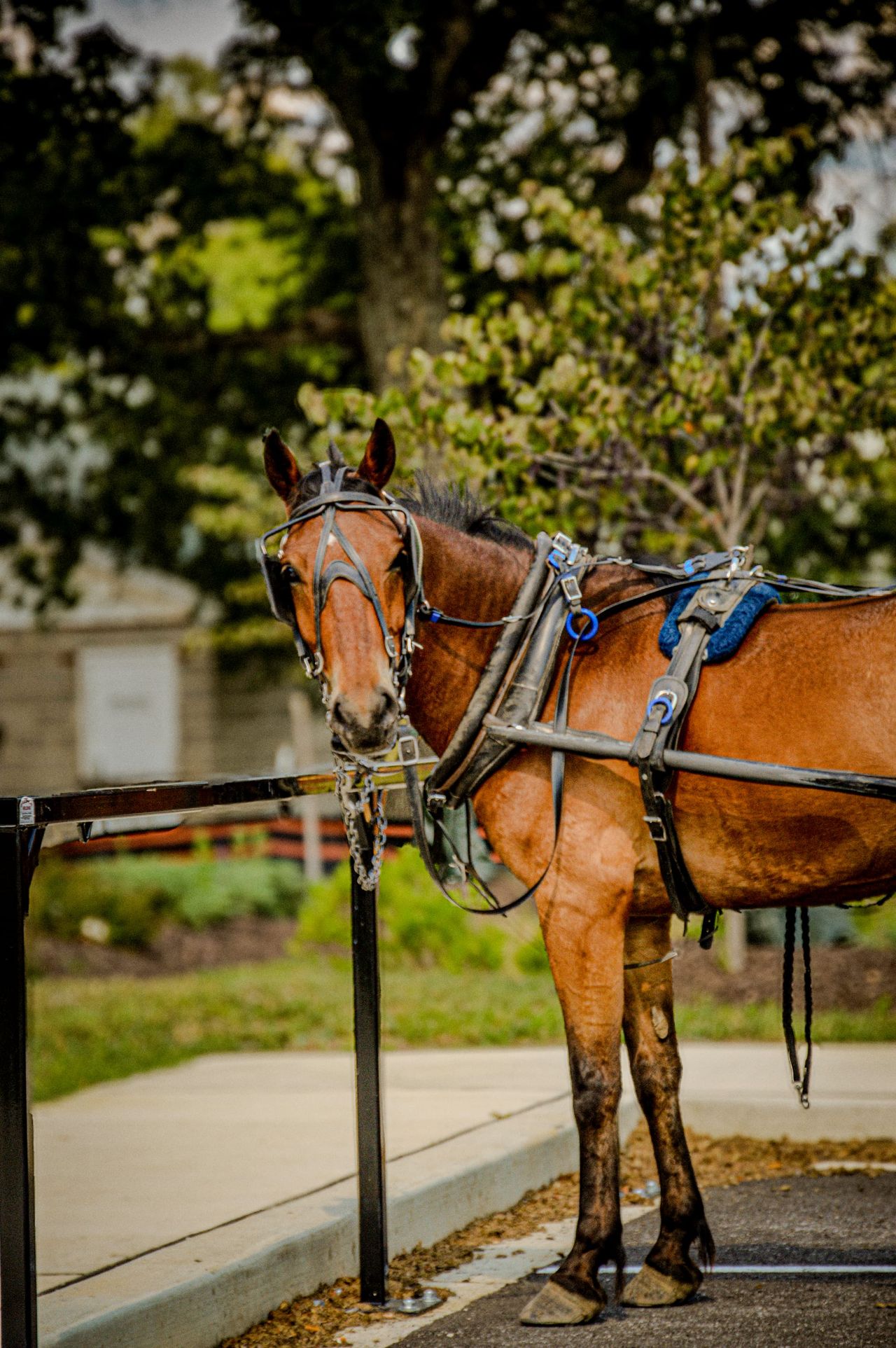
Charlotte Hall has always had a particular feel to it. It is part pass-through town, part rural crossroads, part local shopping stop, and part reminder that Southern Maryland still has its own identity. It is not Leonardtown. It is not Waldorf. It is not Prince Frederick. It has always been something a little different — practical, rural, useful, and familiar.
One of the clearest examples of that character has been the old Amish market area. For many people who grew up around Charlotte Hall, the market was not just a place to buy produce. It was a regular stop for trinkets, tools, plants, baked goods, canned goods, handmade items, vegetables, flowers, and whatever else happened to be out on the tables that day. It had that outdoor market feeling that is hard to recreate once it fades: a little dusty, a little uneven, but active, local, and full of character.
Join the conversation
Your read should not end here.
Ask a question, add local context, or help sharpen the story for everyone reading after you.
Discussion
Add your voice
Member discussion
Sign in to join the conversation.
Old Line Press keeps comments for members so local context, questions, and corrections stay attached to real readers.